





Best Practices
Fullinfaws College follows a range of best practices aimed at providing quality education while promoting discipline, leadership, values, and overall personality development.

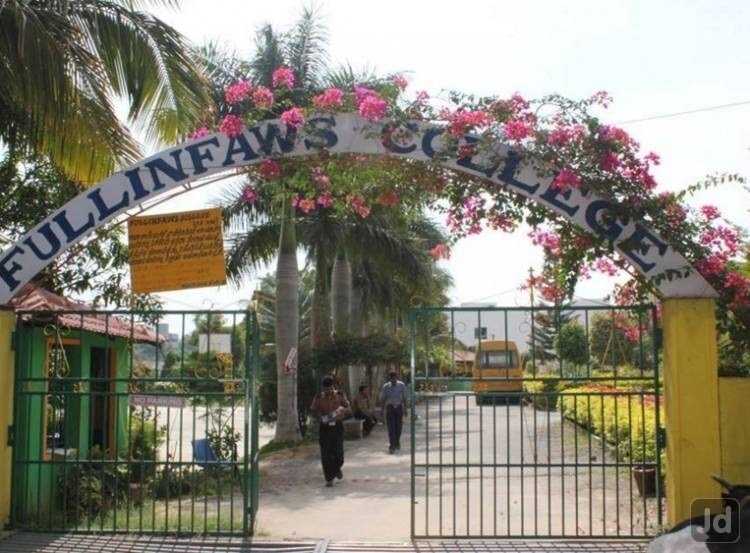

Best Practices at Fullinfaws College
One of the key practices of Fullinfaws College is value-based education. Students are encouraged to develop qualities such as courage, truth, compassion, responsibility, respect, patriotism, and integrity.The institution believes that education should prepare students not only for academic success but also for responsible participation in society.
Best practices are proven methods, strategies, and approaches that help individuals and organizations achieve better results efficiently and consistently. Following best practices improves productivity, reduces errors, saves time, and promotes a culture of continuous improvement. They are useful in almost every area, including education, business, technology, healthcare, project management, and daily life.
Best Practices of Fullinfaws College
Fullinfaws College follows several best practices to promote academic excellence, discipline, personal development, and a positive learning environment. These practices help students gain knowledge as well as develop the skills needed for their future careers.
Quality Education : The college focuses on providing students with effective teaching, practical learning, and a strong academic foundation.
Experienced Faculty : Teachers guide students through classroom instruction, discussions, projects, and individual support.
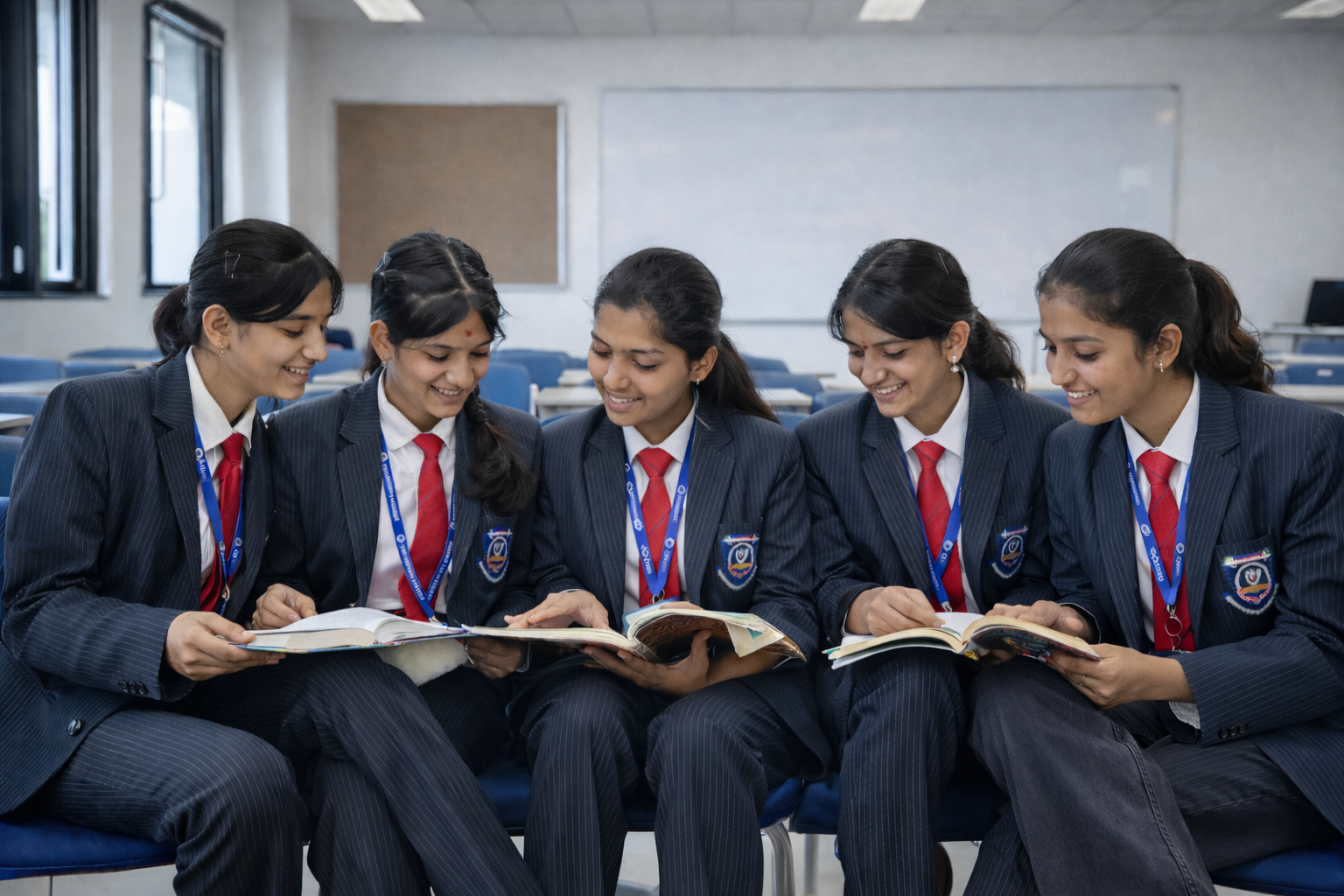
Student-Centred Learning: Students are encouraged to participate actively in learning activities, presentations, seminars, and group discussions.
Practical Exposure : The college provides opportunities for students to connect theoretical knowledge with practical experiences through projects, activities, and field-based learning.
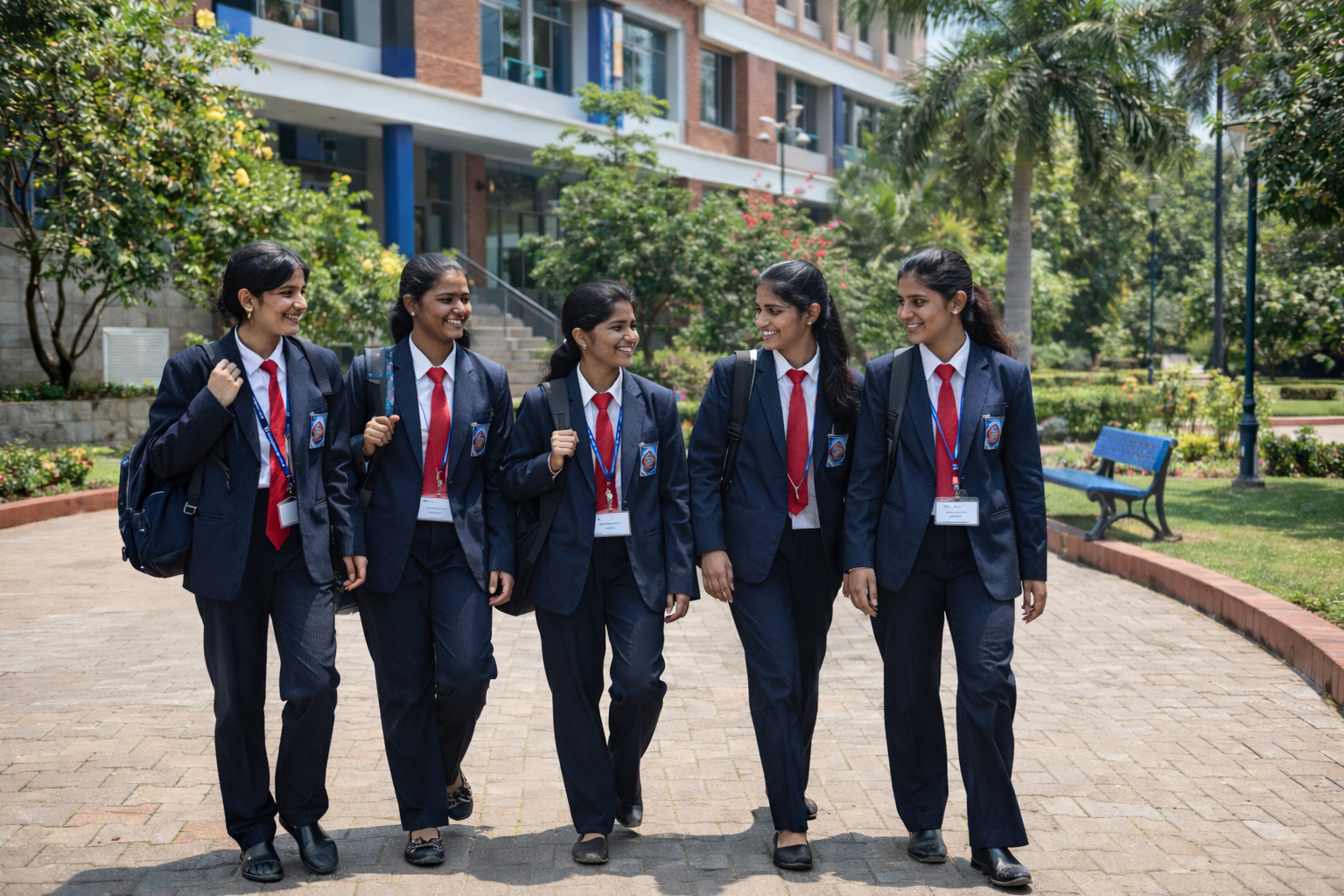
Discipline and Responsibility : Students are encouraged to maintain regular attendance, punctuality, good behaviour, and respect for college rules.
Skill Development : Various academic and co-curricular activities help students improve communication, leadership, teamwork, problem-solving, and decision-making skills.
Use of Technology : Digital resources and modern teaching methods are used to make learning more engaging and accessible.
Career Guidance : Students are encouraged to prepare for higher education and employment through guidance, training, and career-oriented activities.