







Syllabus
At Fullinfaws College, the syllabus is designed to provide students with a strong academic foundation, practical knowledge, and the skills required to succeed in higher education, professional careers, and society.

A Structured Pathway for Academic Excellence
The Syllabus at Fullinfaws College provides a clear and structured framework for teaching, learning, assessment, and student development. It is designed to help students build strong subject knowledge while developing practical skills, critical thinking, communication abilities, and professional confidence.
The curriculum provides students with a systematic understanding of their chosen discipline. Each programme includes relevant subjects and learning components that support academic progression and prepare students for higher education, professional opportunities, and responsible participation in society.
Key Features
- Well-structured and programme-oriented curriculum.
- Strong foundation in core academic subjects.
- Balance between theoretical and practical learning.
- Development of analytical and problem-solving skills.
- Opportunities for projects, presentations, and academic activities.
- Focus on communication, teamwork, and leadership.
- Encouragement of ethical values and responsible citizenship.
Faculty
Best
Duration
3 Years
Credits
120
Language
English
Student-Centred Learning
The syllabus is supported by classroom teaching, practical sessions, assignments, projects, discussions, and academic guidance. Students are encouraged to participate actively in the learning process and take responsibility for their academic growth.
Fullinfaws College seeks to provide an academic environment where knowledge is combined with character, discipline, leadership, and service.
Learning Objectives
The syllabus aims to:
- Build strong conceptual knowledge.
- Encourage curiosity and independent learning.
- Connect classroom knowledge with practical applications.
- Develop effective communication and presentation skills.
- Promote critical thinking and problem-solving.
- Prepare students for higher education and career opportunities.
Learning Beyond the Classroom
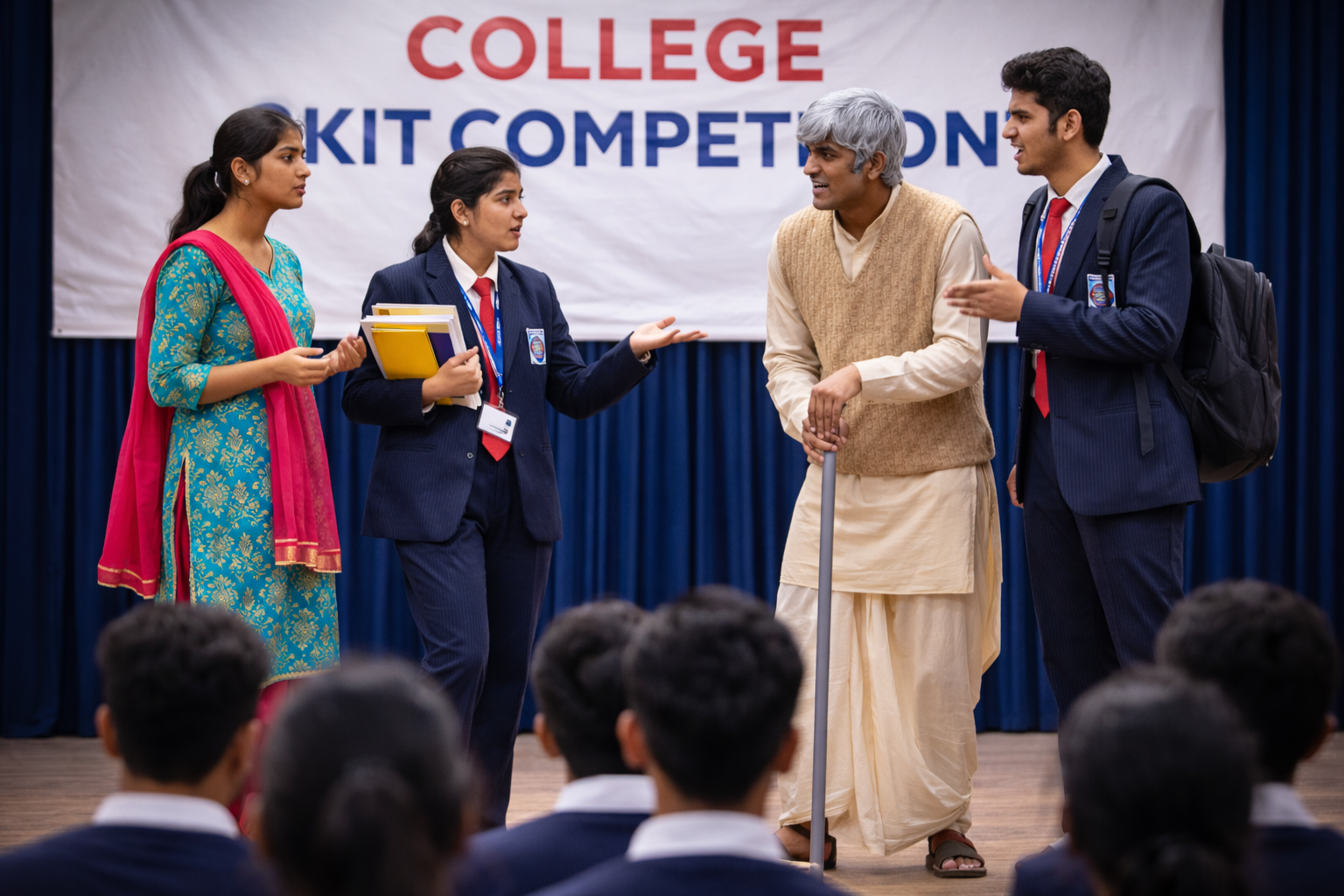
Academic activities form an important part of the educational experience at Fullinfaws College. They complement the prescribed syllabus by providing students with opportunities to apply knowledge, develop skills, and participate actively in academic life.
These activities encourage students to explore subjects beyond textbooks and classroom lectures. They also help develop communication, teamwork, creativity, leadership, and confidence.
Academic Activities
- Seminars and guest lectures.
- Workshops and training programmes.
- Subject-related presentations.
- Group discussions and debates.
- Academic competitions and quizzes.
- Project exhibitions and demonstrations.
- Educational visits and learning experiences.
- Practical and laboratory activities.
- Student research and academic projects.
Community and Social Activities
Academic learning is complemented by activities that encourage social awareness and responsible citizenship. Students may participate in community outreach, environmental awareness, social service, NSS, NCC, and other institutional initiatives where applicable.
Purpose of Activities
The primary purpose of academic activities is to make learning more engaging and meaningful. They provide students with opportunities to:
- Apply theoretical knowledge.
- Develop practical skills.
- Improve confidence and communication.
- Work effectively in teams.
- Explore new ideas and perspectives.
- Develop leadership and responsibility.
Purpose of Activities
Skill Development Activities
- Students may also participate in activities designed to strengthen essential academic and professional skills.
Communication
- Students develop speaking, writing, presentation, and interpersonal communication skills.
Leadership
- Leadership activities encourage responsibility, teamwork, decision-making, and initiative.
Technology
- Digital learning and technology-based activities help students become familiar with tools relevant to their academic disciplines.
Creativity
- Competitions, presentations, projects, and cultural activities provide opportunities for students to express their ideas and creativity.
Academic Departments
The academic departments of Fullinfaws College provide the foundation for programme delivery, subject teaching, practical learning, and student guidance. Each department focuses on its respective discipline while contributing to the broader academic objectives of the institution.
Faculty members work with students to develop subject knowledge, practical understanding, analytical abilities, and professional skills.
Faculty of Science
The Faculty of Science promotes scientific knowledge, logical reasoning, experimentation, and analytical thinking.
Academic Focus
- Mathematics and scientific concepts.
- Physics and Chemistry.
- Biology and related disciplines.
- Laboratory and practical learning.
- Scientific observation and problem-solving.
Faculty of Commerce
The Faculty of Commerce focuses on accounting, business, finance, economics, and commercial practices.
Academic Focus
- Financial accounting.
- Business studies.
- Economics
- Financial awareness.
- Entrepreneurship and commercial understanding.
Faculty of Management
The Faculty of Management focuses on business administration, leadership, organisational development, and management practices.
Academic Focus
- Principles of management.
- Marketing and finance.
- Human resource management.
- Business communication.
- Entrepreneurship and leadership.
Faculty of Computer Applications
The Faculty of Computer Applications provides education in computing, programming, software, and information technology.
Academic Focus
- Programming and algorithms.
- Database management.
- Computer networks.
- Web technologies.
- Software development and applications.
Academic Programmes at Fullinfaws College
Fullinfaws College offers academic programmes designed to provide students with knowledge, practical skills, and a strong foundation for future education and professional development.
Each programme follows its applicable academic curriculum and provides structured learning through subjects, practical activities, assignments, projects, assessments, and examinations.
Science Programmes
Science programmes develop scientific understanding, analytical thinking, and practical knowledge.
Areas of Learning
- Mathematics.
- Physics.
- Chemistry.
- Biology.
- Computer-related subjects where applicable.
- Laboratory and practical work.
Commerce Programmes
Commerce programmes provide a foundation in business, accounting, finance, economics, and commercial practices.
Areas of Learning
- Accounting.
- Business studies.
- Economics.
- Finance.
- Entrepreneurship.
- Business communication.
Bachelor of Business Administration (BBA)
The BBA programme introduces students to management and business administration.
Areas of Learning
- Principles of Management.
- Marketing.
- Financial Management.
- Human Resource Management.
- Business Communication.
- Entrepreneurship.
- Organisational Behaviour.
Bachelor of Computer Applications (BCA)
The BCA programme provides academic and practical knowledge in computer applications and information technology.
Areas of Learning
- Programming.
- Database Management.
- Computer Networks.
- Web Technologies.
- Software Development.
- Computer Applications.
- Project Work.